

A young patient identified by the ELSA study as having early stages of Type 1 Diabetes, has received treatment to delay the condition.
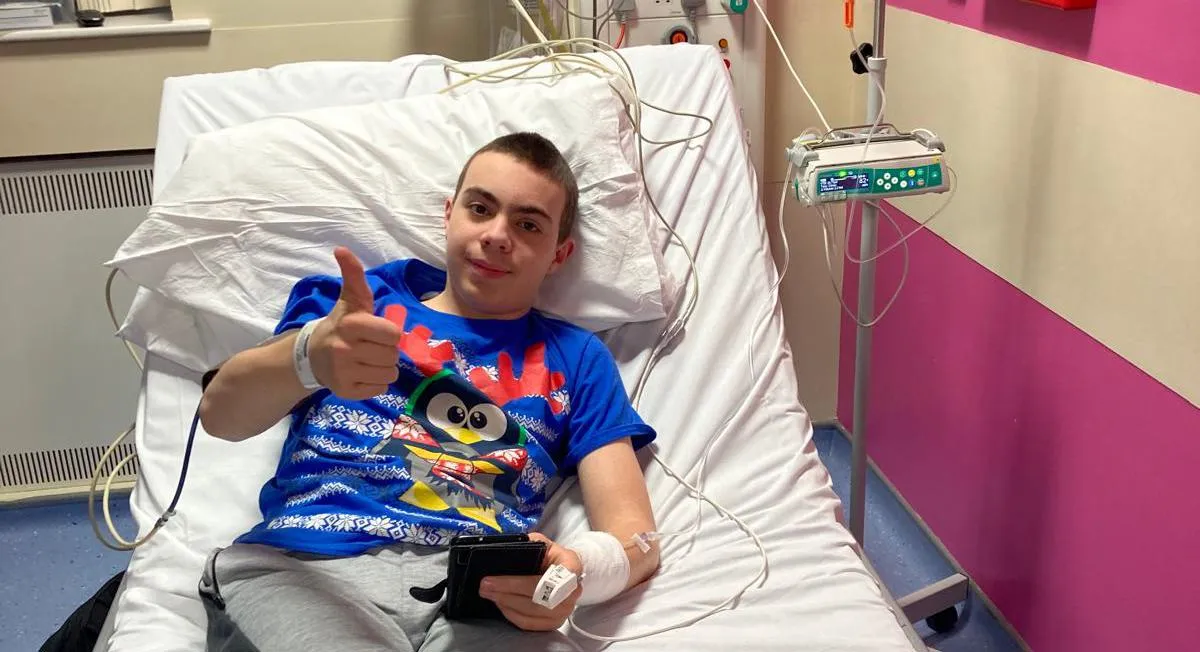
Birmingham teenager, 14-year-old Sam from Kings Norton, was the first to receive the new drug, Teplizumab, at the Clinical Research Facility at the Birmingham Children’s Hospital
.
Sam’s dad, Chris, has Type 1 diabetes and knowing that family members are more likely to develop the disease, Sam was screened for early stages of the condition. The tests showed that Sam would develop Type 1 Diabetes. However, there was good news for the family when Sam was offered Teplizumab, a new treatment to delay the onset of the chronic illness. Past trials have proven that Teplizumab delays insulin-dependent diabetes for up to three years.
Sam’s Mum, Louise, explained: “I know from Sam’s Dad just how stressful life with Type 1 Diabetes is, having to constantly monitor your blood sugar and carry insulin with you at all times. We’re so happy that Sam doesn’t have to worry about his blood sugar yet, especially while he is doing his GCSEs. He can just be a normal teenager.”

Teplizumab is prescribed on a case-by-case basis for children who have been recently diagnosed with type 1 diabetes and are at early stages.
“Being able to delay insulin-dependent diabetes will have a huge impact on a child’s life. It means we are letting children have a normal childhood for much longer.” Said Dr Renuka Dias – a researcher from University of Birmingham’s Department of Applied Health Sciences and Consultant Paediatric Endocrinologist working at Birmingham Women’s and Children’s Hospital.
Dr Dias and her specialist team at the Clinical Research Centre who were involved in Sam’s care have also been integral to a first-of-its-kind study, led by the University of Birmingham, to screen children aged 3 to 13 to find out their risk of developing type 1 diabetes. The study aims to allow treatment to begin sooner and, as in Sam’s case, delay the start of the condition.
The ELSA study has screened over 20,000 children in the UK for Type 1 Diabetes in the last two years. The study is now scaling up throughout Europe.
Unfortunately, it often takes a child becoming seriously unwell for a diagnosis of Type1 Diabetes to be made. Through the study, families identified with a child who is at-risk can begin educating themselves about the condition and learning about the options for management before they find themselves in that crisis situation.
Support and education has been made available to study participants. In addition, some children, like Sam, will be eligible to explore treatment options that could delay the onset of the condition.
“We hope that the ELSA study will lead to the roll-out of Type 1 Diabetes early detection programme for children in the UK and that many more children could then benefit from potential treatments to delay Type 1 Diabetes in future.” Said Parth Narendran – a Professor of Diabetes Medicine at the University of Birmingham and lead for the Type 1 Diabetes clinical service at the Queen Elizabeth Hospital, Birmingham.
B31 Voices is run by volunteers and is committed to supporting communities across south west Birmingham and surrounding by keeping them informed and engaged. Follow us on Facebook, Twitter, Instagram, TikTok and YouTube. Support us by donating at www.b31.org.uk/donate. Send us local story ideas to hello@b31.org.uk