



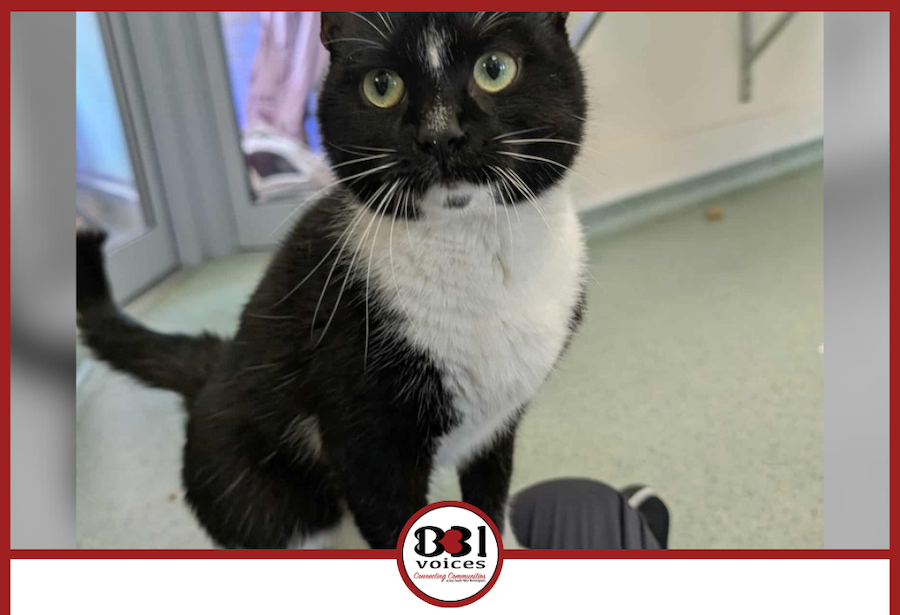
The RSPCA in the West Midlands has warned it is seeing an increase in cats coming into its care with severe and highly contagious disease – Feline Panleukopenia Virus (FPV) – due to a lack of vaccinations.
The RSPCA Newbrook Farm Animal Hospital in Frankley Green, Birmingham, has seen a significant increase in cats from the Birmingham and Coventry area who are sadly experiencing panleukopenia – similar to parvovirus in dogs.
But the charity hopes to reduce the prevalence of this disease in the cat population by encouraging owners to ensure their felines are vaccinated against preventable disease, and any booster jabs are up-to-date.
Jo Szkutnicki, RSPCA Newbrook Hospital Director, said: “We’ve been quite concerned recently by an increase in cats coming into our care with panleukopenia. This can be particularly devastating for kittens and juvenile cats, though even adult cats can become very ill and heartbreakingly sudden death is not uncommon.
“Unfortunately, due to the aggressive nature of the virus and the severity of the illness, many cats, especially kittens, become so sick that euthanasia becomes necessary to prevent prolonged suffering.”
Signs of panleukopenia
– Loss of appetite and a high fever.
– Vomiting and diarrhea.
– Appearing lethargic and depressed.
Prevention
• Vaccinating cats is the most effective way to protect them from this deadly virus.
• Neutering/Spaying: Beyond individual protection, getting cats spayed or neutered helps control the overall cat population. Overpopulation can lead to more stray and unowned cats, increasing the risk of disease transmission in the community.
Jo added: “We’re in the peak kitten season at the moment when the majority of litters of kittens are born which means we do typically see an influx of cats and kittens coming into rescue charities at this time of year, however, many charities are reporting a significant rise in cat and kitten populations this year. It’s highly probable that the lack of neutering and vaccination of these stray cat populations resulting in overpopulation, is contributing to an increased spread of the virus.”
The RSPCA urges cat owners to ensure their cats are vaccinated against preventable diseases. It follows the publication of a PDSA PAW Report 2024, which found only 65% of cats in the UK receive regular booster vaccinations – meaning not enough cats are being vaccinated to maintain ‘herd immunity’. It is feared this, along with poor husbandry, is resulting in more animals struggling with infectious diseases, ultimately putting extra strain on rescue charities as they try to cope with an influx of unwell cats.
“This is putting a huge strain on our resources and very sadly, these poor animals cannot always be saved,” Jo explained. “We would urge owners to do their bit to help – by vaccinating their cats and ensuring they receive regular, timely boosters to prevent these unnecessary illnesses. We’d also urge veterinary practices to spread the message about the importance of vaccinations so that we can all help tackle this together.”
For more information visit: https://www.rspca.org.uk/adviceandwelfare/pets/cats/health/vaccinations
To help the RSPCA continue to rescue cats and kittens during their busy summer period when sadly cruelty peaks, visit: rspca.org.uk/endcruelty
B31 Voices is run by volunteers and is committed to supporting communities across south west Birmingham and surrounding by keeping them informed and engaged. Follow us on Facebook, Twitter, Bluesky, Mastodon, Threads, Instagram, TikTok and YouTube. Support us by donating at www.b31.org.uk/donate. Send us local story ideas to hello@b31.org.uk